busting the thread count myth
We’re often led to believe that the higher the thread count, the more luxurious the bedding. It sounds convincing, but a bigger number doesn’t mean a better night’s sleep.
Thread count just can’t tell you the most important things you want to know about a fabric, such as the quality of those threads, how the cotton was grown or the type of chemicals applied to it.
The real secret to exceptional bedding? Beautifully fine, high-quality, long-staple fibres, expertly spun and woven to create the perfect feel.
what exactly is thread count?
Thread count is the total number of vertical and horizontal threads woven into one square inch of fabric.
While this can give you some indication of a fabric’s density, there is a limit to how many individual threads can naturally fit into such a small space. To create impressively high numbers, manufacturers can twist several strands together and count each one separately.
This is known as multi-ply yarn. It can make the thread count sound luxurious, even when the cotton fibres themselves are shorter, thicker or lower in quality.
does thread count matter?
Thread count matters, but only as one small part of a much bigger picture.
A fabric with a low thread count under 180 will feel very thin. At the opposite end, bedding advertised with exceptionally high counts (500-1000) can often feel heavier, less breathable and be less durable than the number suggests.
Put simply: it does not matter how many threads are used if they are not the best threads possible.
what factors indicate sheet quality?
1. long staple length
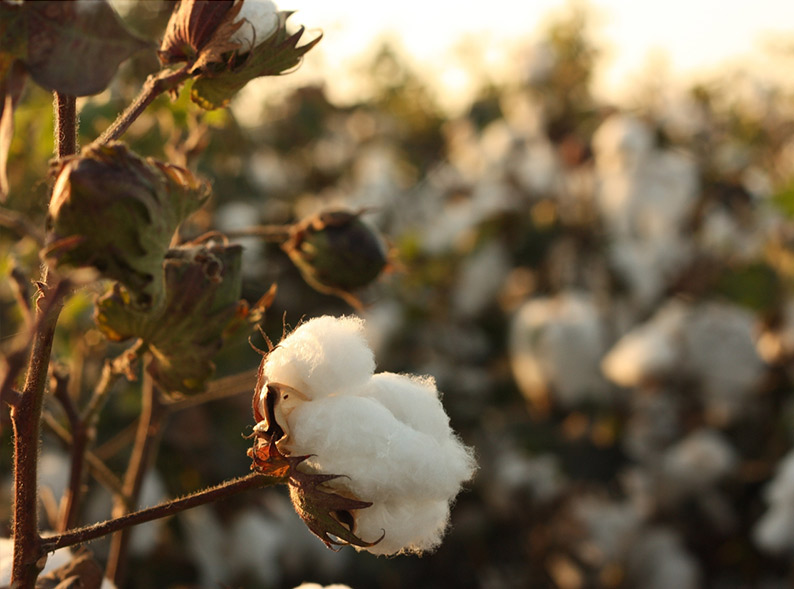
Cotton fibres come in different lengths, known as staple lengths. The longer the fibre, the smoother and stronger the yarn it can create.
Long-staple cotton has fewer exposed fibre ends, helping the finished fabric feel softer against the skin and making it less prone to pilling or weakening over time.
However, short-staple cotton is prolific because it’s easier and less expensive to grow.
We sourced the longest staple organic cotton we can possibly find. This cotton is so scarce, it accounts for less than 1% of available cotton in the world.
2. single-ply yarns
Ply refers to the number of strands twisted together to make a yarn.
Single-ply yarn uses one fine, high-quality strand. Multi-ply yarn combines two or more strands, which can be used to inflate the stated thread count without improving the quality of the fabric.
By using fine single-ply yarns, we create a genuine thread count without adding unnecessary bulk or compromising breathability.
3. pure materials
Harvesting the finest cotton and treating it right makes for better quality bedding. At Dip & Doze, we source the finest GOTS-Certified 100% organic cotton, which means strict standards apply throughout its whole journey. From the cultivation of the raw fibre to spinning, dyeing, weaving and finishing, it stays free from harmful chemicals during every step
4. the weave
The weave brings the character of the yarn to life and creates the distinctive feel of each fabric.
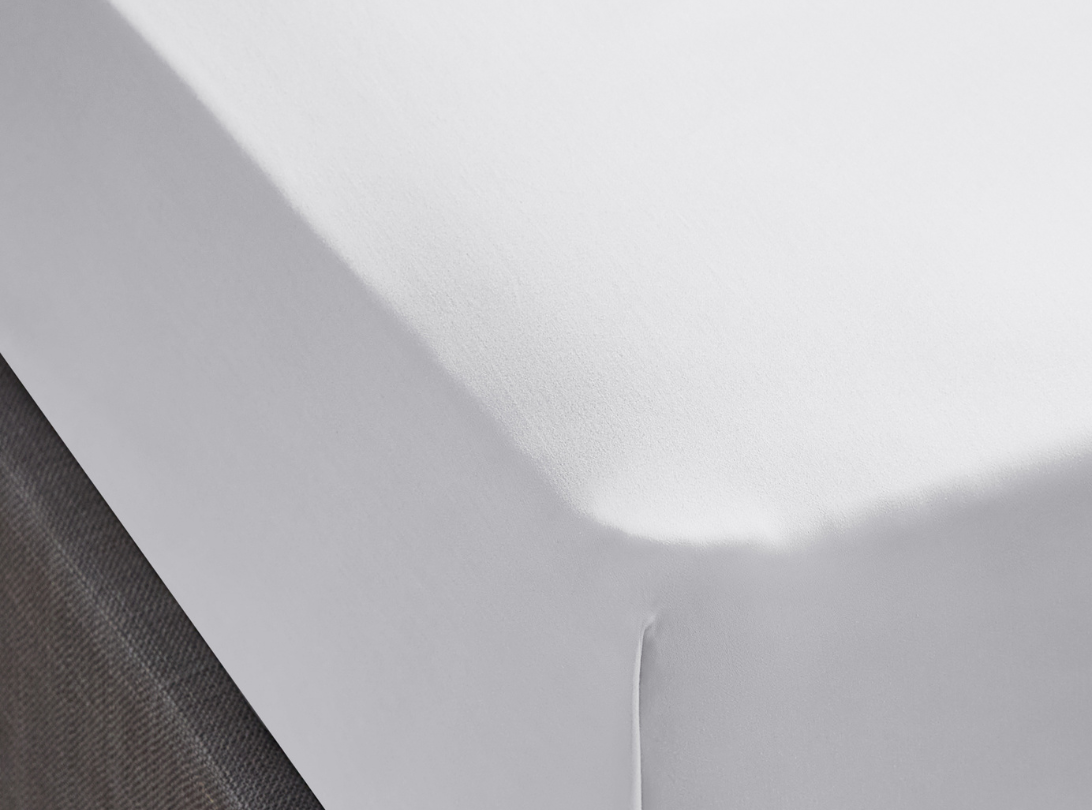
Our soft & smooth sateen uses a four-over-one-under weave for a buttery-soft feel, subtle sheen and beautifully breathable, all-season comfort. Our cool & crisp percale uses a tight one-over-one-under weave for a smooth, structured finish that encourages airflow and feels naturally cool to the touch.
what is the thread count for Dip & Doze sheets?
Our bedding has a 300 thread count, woven from exceptionally fine, long-staple organic cotton in a single-ply yarn. The result is beautifully breathable, wonderfully soft bedding that feels luxurious from the very first night and grows even more inviting with every wash.