
Rethinking the way we rest (it’s not what you’d think)
How are you starting the year… excited, tired, quietly overwhelmed, or a little bit of everything? This is the time we’re encouraged to set bold intentions. Sometimes that energy is wonderful. But often, we set ourselves unachievable goals, and the pressure that follows can feel like starting the year already out of breath.
In the 21st century, being busy has somehow become a shorthand for being successful. Full calendars, fast replies, a life lived at speed. And yet, rest is something we both long for and deeply need. It’s undervalued in our culture, even as our bodies and minds keep asking for it in quiet (and not-so-quiet) ways.
So, here’s a gentler suggestion. If you can, let this be the year you don’t burn out at the starting line. The year you approach things differently. You might be getting itchy feet to dive into new projects and grand plans, but there’s a lot to be said for letting your goals bloom when energy naturally kicks in during spring. For now, imagine your intentions not as dramatic New Year’s resolutions, but as long-term plans, steadily tended. Doesn’t that sound less scary?
Until then, give yourself a break. Not a “collapse into exhaustion” break, but a real one. The sustainable kind. The kind that boosts your wellbeing with minimal effort and maximum kindness.
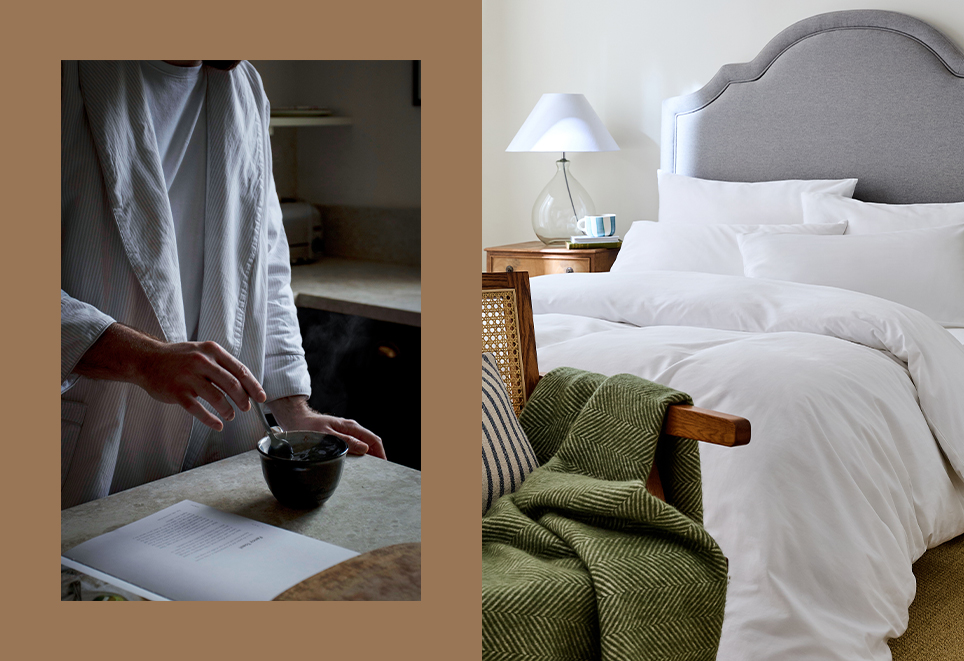
We know that resting isn’t always straightforward. Many of us face barriers to it, ranging from the emotional (feeling embarrassed, guilty or “lazy”) to the practical (not enough time, or not even knowing how to rest). And that last point matters, because rest is often misunderstood.
Rest is not the same as sleep, and it doesn’t have to mean doing nothing. It can be active. It can be a long walk that untangles your thoughts, or a run that quiets the ceaseless whirring in your head. Rest is less about stillness on the outside and more about what happens within. A way to quieten the mind, still the spirit and soothe the soul.
When we looked into what people find most restful, spending time in nature, gardening and listening to music were high on the list, but reading came out on top. At first, that might seem surprising. Reading takes concentration, after all. It’s cognitive effort. So why does it feel so restoring?
For one, it’s often a solitary pursuit, and time away from other people is a common feature of restful activities. Reading also offers us escape. We step out of our own world and into another. The Canadian psychologist Keith Oatley famously called reading “the mind’s flight simulator”—a way to experience different lives, different landscapes, different possibilities, without ever leaving the room. And interestingly, studies tracking our eye movements show that when we read, our minds naturally wander. We daydream. We drift. That gentle wandering isn’t something we need to fight, because it’s part of the magic. A loosening of the grip. Another wonderful way to relax the mind.
Reading can also enhance empathy, letting us step into minds and lives very different from our own. Sometimes that alone can soften our worries, putting our own stresses into perspective. And then there’s the physical side of it. Reading is often done sitting down, or, best of all, curled up in bed.
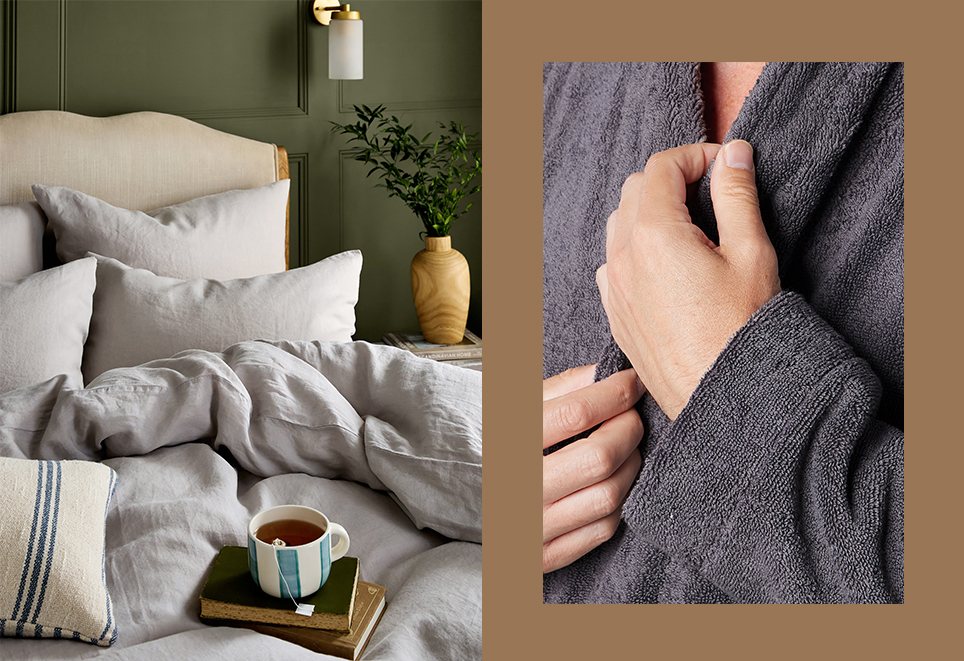
There’s something deeply comforting about the choreography of an evening reset. Fresh bedding that makes your whole body unclench. Candles flickering gently at the edge of your vision. Then you climb into bed with your book, wrapped in comfort, letting the story carry you somewhere quieter. A few pages in, your breathing slows. Your shoulders drop. And if, after a few minutes, you find yourself dropping off… that’s not a problem. As we’ve outlined, rest isn’t sleep, but many of us need more of both.
If rest feels hard to fit in, try making it smaller and more regular. Prescribe yourself short breaks at intervals. Even two-minute micro-breaks can make a difference. You can also reframe the unavoidable pauses in life—queues, delayed trains, waiting rooms—not as wasted time, but as unexpected pockets of rest. And instead of scrolling through your phone when your journey is disrupted, imagine reaching for a book and slipping into a good story. A tiny holiday for your mind.
This January, when the world tries to hurry you into becoming a “new you,” remember, you are allowed to begin slowly. You are allowed to soften. You are allowed to rest.